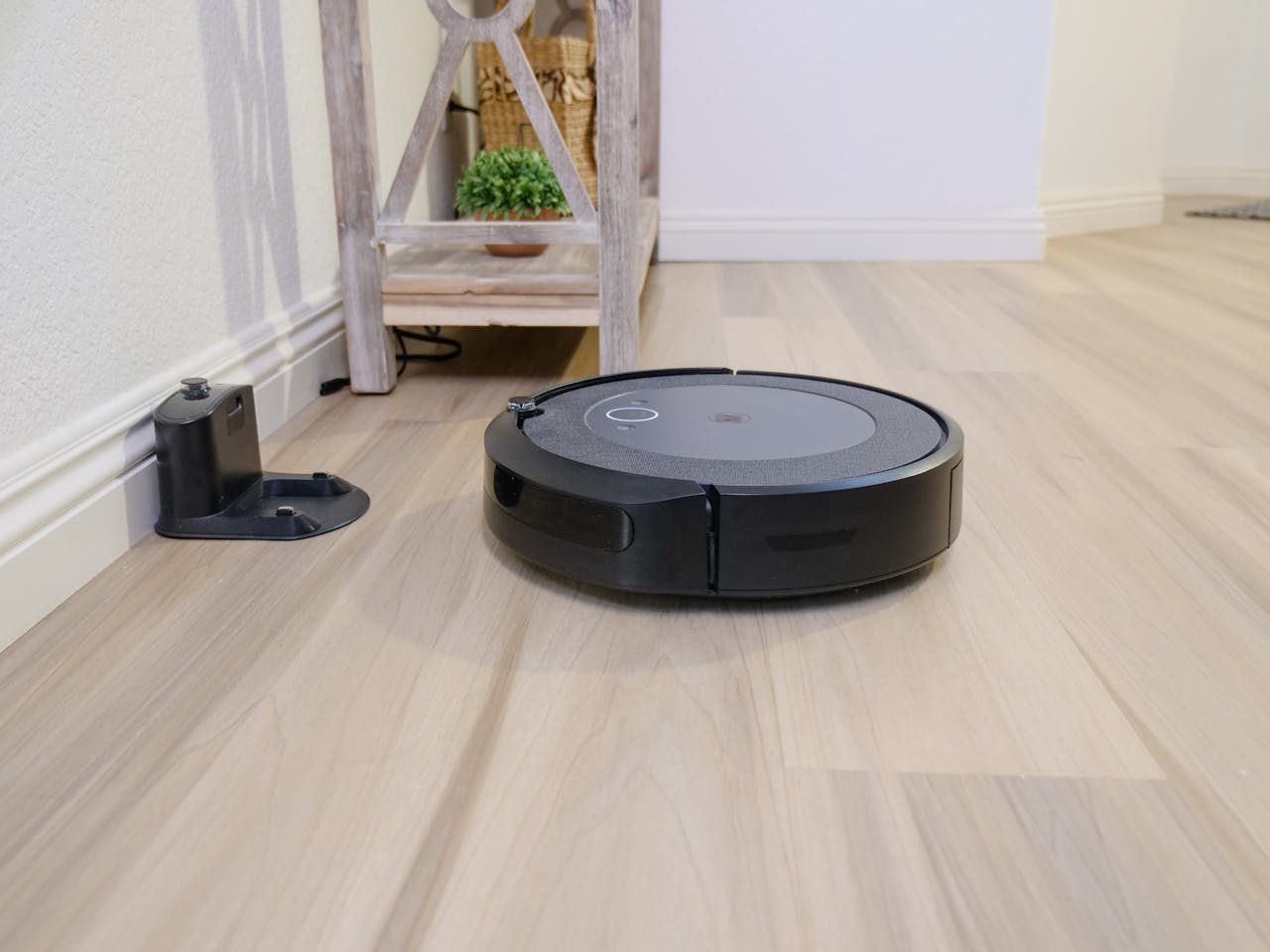
 by Tega Akuruli
Why Smart Appliances Are More Revolutionary Than They Seem
The Hidden Revolution in Smart Appliances
Most people imagine simple conveniences when they think of smart appliances: a refrigerator that texts you in case milk runs out, or perhaps a washing machine that one controls with their phone. However, these apparent conveniences mask a technological revolution. Smart appliances are revolutionizing energy efficiency, predictive maintenance, user interaction, data-driven decision-making, and AI-driven automation-often in unimagined ways.
They also form the backbone of connected ecosystems: homes, offices, and industries are increasingly relying on interconnected devices that communicate, adapt, and optimize automatically. Understanding smart appliances necessitates deep insight into hardware, software, AI, and systems engineering.
It considers the various ways in which smart appliances represent a revolution, how they work, and what their wider implications are for society, industry, and technology.
What is a smart appliance?
Core Components
On a basic level, smart appliances bring together conventional appliance hardware and intelligent electronics and software systems:
- Embedded Sensors: These can detect temperature, humidity, motion, vibration, load, or pressure. For example, a smart fridge could have multiple temperature sensors across compartments for efficient cooling.
- Microcontrollers & Processors: Tiny computing units that run computations on sensor data to make real-time decisions. Higher-end devices may also use multi-core SoCs.
- Connectivity Modules: These connect appliances to networks or other devices using Wi-Fi, Bluetooth, Zigbee, or Thread protocols.
- Software & Firmware: Control logic, AI algorithms, and machine learning models make appliances adaptive and autonomous.
- Actuators: These are the motors, valves, heaters, or compressors that take action upon sensor input and software decisions.
Example Analogy: A smart appliance acts much like a self-sustained mini-ecosystem: sensors gather environmental data, a processor makes decisions regarding the optimum course of action, actuators execute decisions, and connectivity enables coordination with other systems.
Key Features of Smart Appliances
- Remote Control & Monitoring: It is accessible anywhere to tune settings, monitor status, or receive notifications.
- Predictive Maintenance: Early detection of issues, avoiding breakdowns, and prolonging the life of appliances.
- Energy Optimization: Appliances automatically adjust power usage based on occupancy, demand, or time-of-day energy pricing.
- Personalized Operation: Machine learning algorithms adapt performance based on individual user preferences.
- Inter-device Communication: Appliances communicate with other devices in the home or office ecosystem.
Case Example: A smart oven might communicate with a smart fridge to suggest recipes based on ingredients, while it would simultaneously find the optimal cooking time for energy efficiency.
Engineering Behind Smart Appliances
The smart appliances at the frontiers are complex mechatronic systems, integrating traditionally disparate disciplines such as mechanical engineering, electronics, software, AI, and networking. Let’s understand the engineering that drives some of their revolutionary capabilities.
Sensors and IoT Integration
Smart appliances depend on many types of sensors:
- Temperature and humidity sensors regulate fridges, ovens, and HVAC systems.
- Issues in washing machines or dryers are detected by vibration/load sensors.
- Energy meters track power consumption, feeding data for AI optimization.
Data Flow: Sensor data collection and processing occur locally (on-device) or in the cloud, depending on the nature of the use case. AI algorithms analyze trends, detect anomalies, and create predictions. This integration enables appliances to self-optimize without human intervention.
Processing Units and AI
Microcontrollers and processors make real-time decisions:
- High-speed processors enable smart functions in appliances, such as smart ovens that adjust their heat based on sensor feedback.
- Machine learning models predict optimal usage, anticipate failures, and personalize operations.
- This is achieved by edge computing, which allows sensor data to be processed locally and reduces latency, along with dependence on the cloud.
Case Study: A smart washing machine detects fabric type, load weight, and detergent amount, then calculates the optimal cycle to minimize water and energy use while preserving fabric integrity.
Connectivity and Cloud Ecosystems
- Wi-Fi, Zigbee, Bluetooth, or Thread protocols enable appliances to communicate with each other and the cloud.
- Cloud computing can aggregate usage data and enable updates, AI learning, and cross-device coordination of software.
- Security is paramount, encrypted communication and firmware updates prevent hacking.
Industrial Example: Networked ovens and refrigerators in a commercial kitchen monitor usage, adjust cycles automatically, and predict maintenance to improve efficiency and reduce waste.
Revolutionary Impacts of Smart Appliances
1. Energy Efficiency and Sustainability
- Smart appliances actively work to cut down energy consumption.
- Refrigerators use the usage patterns to extend compressor cycles.
- HVAC systems can regulate temperatures according to occupancy and external conditions.
- Smart washers choose off-peak times to operate.
Impact: The aggregated energy savings from millions of smart appliances significantly reduce the environmental footprint.
2. Predictive Maintenance and Reliability
- Embedded sensors constantly monitor wear and detect anomalies.
- Early warnings avert breakdowns, save on repair costs, and prolong life.
- Appliances may even automatically schedule maintenance with service providers.
Example: A smart fridge detects abnormal compressor vibration and alerts the user to prevent costly breakdowns.
3. User Experience and Personalization
- Smart appliances learn and adapt to user behavior.
- Coffee machines recall your preferred brewing strength, ovens pre-set cooking temperatures based on previous usage.
- The interaction shifts from manual control to adaptive, intelligent operation.
4. Data-Driven Insights
- This continuous monitoring generates crucial data on usage, energy consumption, and performance.
- The anonymized data are used by the manufacturers to refine their future designs.
- Energy usage and appliance operation can be optimized.
5. Home and industrial automation
- Appliances are integrated into smart home ecosystems.
- Example: A washing machine scheduled operation in accordance with off-peak electricity hours.
- Industrial smart ovens or refrigerators work by monitoring and optimizing production processes automatically.
Technical Challenges and Considerations
- Security and Privacy: Smart appliances are targets for cyberattacks; robust encryption and updates are necessary.
- Interoperability: Different brands and protocols might not work well together.
- Cost: The cost increases with the inclusion of advanced sensors, processors, and connectivity modules.
- Data Management: Handling large volumes of data efficiently and securely is a challenging task.
- Reliability: Greater complexity can also mean more failure points, unless carefully engineered.
Technologies Driving Smart Appliances
AI and Machine Learning
- AI provides intelligence to appliances to autonomously analyze patterns and predict outcomes.
- Machine learning increases energy efficiency, detects needs for maintenance, and personalizes operations.
Example: Smart HVAC systems predict room occupancy and adjust temperatures in advance for comfort and efficiency.
Edge Computing
- Local processing reduces the dependency on cloud connectivity.
- Enables appliances to make instant decisions without network latency.
- Improves privacy and reliability in offline scenarios.
Voice Assistants and Ecosystem Integration
- These appliances integrate with Alexa, Google Home, or a proprietary smart home system.
- It allows users to control various appliances with voice commands, routines, or automation scripts.
- Cross-device communication enhances efficiency, convenience, and predictive operations.
Future Trends in Smart Appliances
- Deeper AI Integration: Fully autonomous learning and adaptation.
- Expanded Edge Computing: More local intelligence reduces latency and cloud dependency.
- Sustainable Design: Energy-efficient, recyclable materials, and smarter energy management.
- Interconnected Ecosystems: Appliances coordinate with each other across homes, businesses, and industries.
- Predictive Consumables Management: Appliances can automatically order supplies, such as detergent or filters, based on usage patterns.
Broader Impacts
1. Environmental Sustainability
- Optimized energy use reduces electricity consumption.
- Longer appliance lifetimes reduce electronic waste.
- Automated function encourages green behavior.
2. Industrial and Commercial Applications
- Smart appliances are no longer confined to homes.
- In restaurants, hotels, and hospitals, connected appliances improve efficiency, reduce waste, and enable predictive maintenance.
- Example: Supermarket refrigeration units automatically monitor temperatures, predict maintenance, and optimize energy usage.
3. Changing Consumer Behavior
- Users obtain real-time insights into energy and usage patterns.
- Personalized appliances create smarter, more efficient lifestyles.
- Automation and AI shift interaction from manual operation to adaptive and intelligent control.
Beyond Convenience
Smart appliances are way beyond just being convenient gadgets, they are data-driven, adaptive, and integral constituents of modern life that transform energy efficiency, predictive maintenance, user experience, and industrial operations.
The true revolution lies in their capability for autonomous learning, optimization, and coordination. As AI, edge computing, and IoT continue to evolve, smart appliances will keep reforming how we live, work, and interact with technology.