 by Tega Akuruli
The Unsung Heroes of GPU Computing
Understanding GPU Computing
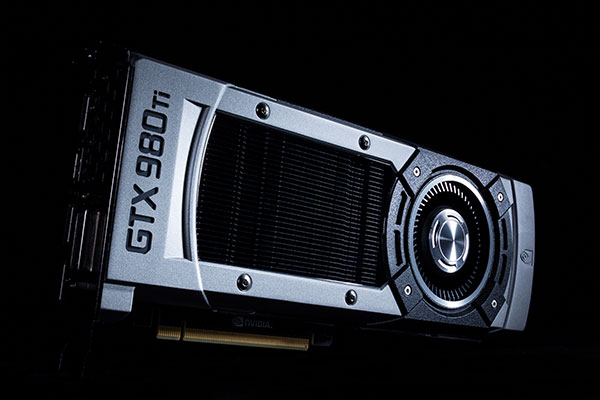
Graphics processing units are normally associated with gaming and visual effects, although their use in modern computing exceeds the rendering of pixels by far. The GPU is a special processor built for parallel computations, enabling it to do thousands of operations all at once with great efficiency. Unlike the CPUs, which were optimized for sequential tasks, GPUs excel in workloads that require massive parallelism, such as machine learning, scientific simulations, data analysis, and 3D rendering.
GPU computing is about using this parallel processing for anything other than traditional graphics. It has turned into the power behind AI model training, the mining of cryptocurrencies, complex physics simulations, and real-time visualizations. Little recognized outside of technical circles for their critical contributions, GPUs are unsung heroes of modern computing.
The Architecture That Makes GPUs Powerful
To understand why GPUs are so impactful, it’s important to examine their architecture:
1. Parallel Cores
Modern GPUs have thousands of smaller cores that can perform computations in parallel. This is quite in contrast to CPUs, which usually have fewer cores that are optimized for sequential processing.
Parallel cores allow GPUs to perform large-scale computations efficiently. These are crucial for applications such as:
- Deep learning model training
- Matrix multiplications
- Image and video processing
- Real-time physics calculations
2. Memory Hierarchies
GPUs also have specialized memory systems, including:
Video RAM: High-speed memory for graphical data
Shared memory: Fast-access memory shared between cores
Cache layers: Optimized for read-heavy operations
These memory hierarchies allow GPUs to access and process large datasets much faster compared to CPUs for parallel workloads.
3. SIMD and SIMT
GPUs are based on the Single Instruction Multiple Data (SIMD) and Single Instruction Multiple Threads (SIMT) paradigms, performing the same operation on several data points in parallel. This design makes them ideal for vectorized computations, common in both graphics and AI tasks.
Applications of GPU Computing Across Industries
GPUs are no longer confined to rendering graphics; they are central to many modern technologies:
1. Artificial Intelligence and Machine Learning
Hardware accelerators, particularly GPUs, reduce training and inference time in deep learning applications: large neural network models like convolutional networks for image recognition or transformers in natural language processing involve many matrix multiplications. Because GPUs process these operations in parallel, this can reduce training times from several months to days or even hours.
2. Scientific Research and Simulations
From weather forecasting to molecular modeling, GPUs are essential in high-performance computing. Researchers use GPU clusters to simulate complex systems:
- Climate models predict patterns of global warming
- Astrophysical simulations of galaxy formations
- Fluid dynamics in aerodynamics and oceanography
- Drug discovery through molecular docking simulations
3. Gaming and Graphics Rendering
Although the primary function of GPUs was to render graphics, contemporary game and cinematic production extensively utilizes GPUs. Real-time ray tracing, procedural textures, and immersive 3D worlds all demand a GPU’s performance.
4. Cryptocurrency and Blockchain
The efficiency of parallel hash computations on GPUs has made them a widely used tool in cryptocurrency mining. While this has brought some volatility to the markets, it also serves to illustrate the flexibility of such processors.
5. Data Analytics and Big Data
Parallel computation enables GPUs to accelerate database queries on large datasets, simulations, and machine learning pipelines. Big data platforms increasingly integrate GPU support for performance optimization.
The Challenges Behind GPU Computing
Despite their power, GPUs present some unique challenges:
1. Complexity of Programming
While knowledge of these areas is important, expertise in specific parallel computing frameworks is usually required, such as CUDA, OpenCL, or Vulkan. Writing efficient code for GPUs usually requires:
Understanding memory hierarchies
- Optimizing thread usage
- Minimizing latency and synchronization issues
This is a technical barrier that keeps GPU computing in the hands of experts.
2. Energy Consumption
High-performance GPUs consume a lot of power in data centers and AI research labs. Energy efficiency is increasingly the concern, and it should be balanced with the computation speed by the engineers.
3. Hardware Costs
High-performance GPUs are very expensive. GPU clusters for AI research or scientific simulation have very high capital costs and, therefore, are accessible to only well-funded organizations.
4. Scalability and Integration
Large-scale deployment of GPU-accelerated applications requires unique hardware with specialized software optimizations. These often involve complex hybrid architectures and have to be carefully tuned and distributed in their workload.
Why GPUs Are Often Overlooked
GPUs enable many technologies and work silently in the background. It is the results that users see, such as fast AI predictions, realistic game graphics, and detailed simulations, but rarely recognize the processors behind them. Their complexity, invisibility in everyday applications, and association primarily with gaming have contributed to their status as unsung heroes.
Nevertheless, industries such as entertainment, healthcare, finance, and aerospace rely deeply on GPUs. The innovations enabled by modern-day GPUs are foundational to modern technology, even if they remain largely invisible to the public eye.
The Future of GPU Computing
The future is even more integrated and innovative:
- AI-specific GPUs: New architectures like the Tensor Cores of NVIDIA or Google TPU-inspired designs now optimize for AI workloads.
- Cloud GPU Services: Cloud providers permit scalable usage of a GPU without buying hardware, democratizing access to high-performance computing.
- Real-Time Simulation: With increased GPU power, real-time physics, climate modeling, and interactive scientific visualization will be possible.
- Hybrid Computing Architectures: CPU, GPU, and FPGA accelerators combined to deliver optimized, task-specific performance.
Energy efficiency improvements are necessary to attain higher performance while keeping power consumption lower, crucial for the future of sustainability.
These improvements mean GPU computing will continue to play the central role in research, entertainment, AI, and industrial applications.
GPUs are the silent backbone of modern computing. Beyond gaming, they enable AI, scientific research, big data, visual effects, and real-time simulations. Although often invisible, the influence of GPU computing on technological innovation cannot be underestimated. Understanding their role is central to exploring modern computing, AI, or the creation of digital content. Unsung heroes, they continue quietly to power the digital world, enabling the experiences and discoveries that define our era.