 by Tega Akuruli
The Rise of Motion Graphics in Education
Understanding Motion Graphics in Education
Motion graphics generally refer to animated visual elements that integrate text, images, and graphics to bring across dynamic ideas. Unlike their static counterparts, motion graphics meld multiple senses, making information easier to comprehend and retain. They bridge abstract concepts with learner comprehension, thus enhancing effectiveness and learner engagement in the education arena.
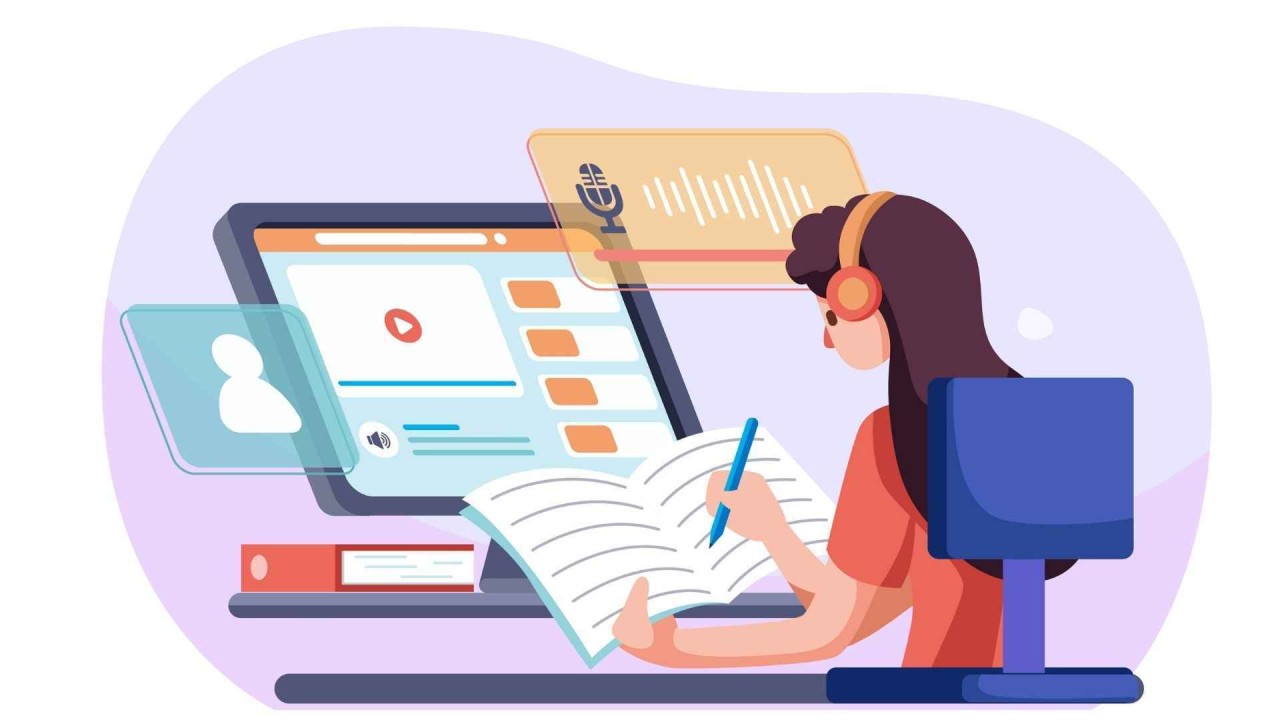
Digital learning platforms, online courses, and interactive media fuel the rise of motion graphics in education. These allow educators to present content in ways that traditional textbooks or even slideshows simply cannot, making the process of learning immersive and memorable.
Why Motion Graphics Are Transformative
The following are some of the advantages that motion graphics bring to an educational setting:
1. Simplifying Complex Ideas
Subjects like physics, chemistry, biology, or mathematics usually include abstract or invisible phenomena. Motion graphics can:
- Visualize chemical reactions or molecular interactions.
- Illustrate the laws of physics through dynamic simulations.
- Demonstrate mathematical functions or geometric transformations.
Because abstract ideas are turned into visual tales, learners grasp any difficult topics more efficiently.
2. Improved Retention and Comprehension
Research has shown that visual learning greatly enhances memory retention. Motion graphics:
- Combine audio, visual, and text cues.
- Present step-by-step sequences for processes
- Use storytelling and metaphor to contextualize information.
This multisensory approach helps learners retain and recall information more effectively than with static images or text alone.
3. Increase engagement
Traditional lectures become boring. Motion graphics:
- Engage with motion and animation.
- Break lengthy content into easily digestible visual chunks.
- Encourage curiosity and exploration.
Instructors can also expect more course completions and knowledge internalization from engaged learners.
4. Accommodating Diverse Learning Styles
Motion graphics appeal to:
- Visual learners: Via color, shape, and motion
- Auditory learners: Through narration or synchronized audio
- Kinesthetic learners: Through interactive elements in animations
This inclusivity helps to ensure broader accessibility and effectiveness across diverse student populations.
Applications in Modern Education
Motion graphics span several educational contexts:
1. K-12 Education
Animations show the teacher how to:
- Life cycles and ecosystems in biology
- Solar system mechanics in astronomy
- Math concepts such as fractions or geometry
These visuals turn lessons into interactive storytelling that children can easily understand.
2. Higher Education
Universities use motion graphics to:
- Visualize complex engineering simulations.
- Model biological processes or medical procedures
- Explain abstract theories in physics, chemistry, and mathematics.
This technology lets professors explain complex ideas without dumbing them down.
3. Online Learning Platforms
E-learning platforms, such as Khan Academy, Coursera, and Udemy, incorporate motion graphics to:
- Make video lectures visually appealing.
- Include dynamic illustrations that reinforce understanding.
- Offer interactive exercises aligned with animations.
Such tools are especially efficient in sustaining attention in self-directed online learning conditions.
4. Corporate Training and Professional Development
Companies utilize motion graphics to:
- Explain processes and workflows.
- Provide safety, compliance, and technical skill training to employees.
- Introduce new tools or software with visual tutorials.
Animations reduce cognitive load, ensuring that employees absorb information faster and more reliably.
The Technical Foundations of Motion Graphics
Creating effective motion graphics requires a mix of design, animation, and software engineering.
- Principles of Design: Color theory, typography, composition
- Animation Techniques: Keyframing, motion paths, easing, and timing
- Software Tools: After Effects, Blender, Cinema 4D, Adobe Animate
- Interactive elements: click-throughs, quizzes, or feedback mechanisms
Designers and educators collaborate in creating animations that are both visually appealing and pedagogically effective.
Challenges in Educational Motion Graphics
But despite their effectiveness, motion graphics also raise problems:
1. Resource intensity
Creating good animations is time-consuming and requires technical skill. Large volumes of content are expensive and cumbersome to produce.
2. Balancing Simplicity and Accuracy
Animations should simplify concepts without sacrificing scientific or technical accuracy. Over-simplification can result in misconceptions.
3. Accessibility Concerns
Accessibility considerations for motion graphics include, but are not limited to:
- Closed captions for audio content
- Color-blind-friendly palettes
- Playback is adjustable for learners with various needs
4. Technological Barriers
Not all learners have access to devices or the internet bandwidth required for high-quality animations, which therefore limits the reach in certain contexts.
The Future of Motion Graphics in Education
The future promises more sophisticated integration:
- Interactive and Gamified Animations: Learners can change variables in simulations to understand concepts by doing.
- VR/AR integration: As a result, learners can move around and interact with 3D models of molecules, ecosystems, or historical sites.
- AI-assisted animation: It can dynamically generate motion graphics, reducing production time and allowing for customized learning experiences.
- Cross-Platform Compatibility: Cloud-based rendering allows for smooth running of animations across various devices and platforms.
Motion graphics will increasingly transform education, turning abstract knowledge into interactive, engaging experiences for learners worldwide.
To Sum It Up…
They are revolutionizing education by making complicated concepts visual, interactive, and memorable. They improve comprehension, engagement, and retention across K-12, higher education, online learning, and corporate training. While there are indeed technical and creative barriers to producing effective motion graphics, their potential for improving learning experiences is unparalleled, which makes them one of the critical tools for modern education.