 by Tega Akuruli
Data Centers: The Factories of the Digital Age
The Invisible Industrial Revolution
At the turn of the 18th century, factories powered the Industrial Revolution, changing the world with a new way of living and working. In the 21st century, data centers are the factories of the digital age, producing, processing, and distributing digital products instead of physical goods.
Every app you use, every video you stream, every AI prediction you get, and each online transaction is powered by these enormous, highly engineered facilities. Data centers form the backbone of modern digital infrastructure, yet their operations are frequently invisible to the average user.
This article examines how data centers function, their architecture, technologies, and challenges; it shows why they are so important to the digital economy.
What does a data center comprise?
Core Components
Contemporary data centers integrate hardware, software, and networking with environmental engineering to support robust, scalable, and secure operations. Core components include:
- Server Racks: These house computing nodes for storage, processing, and virtualization.
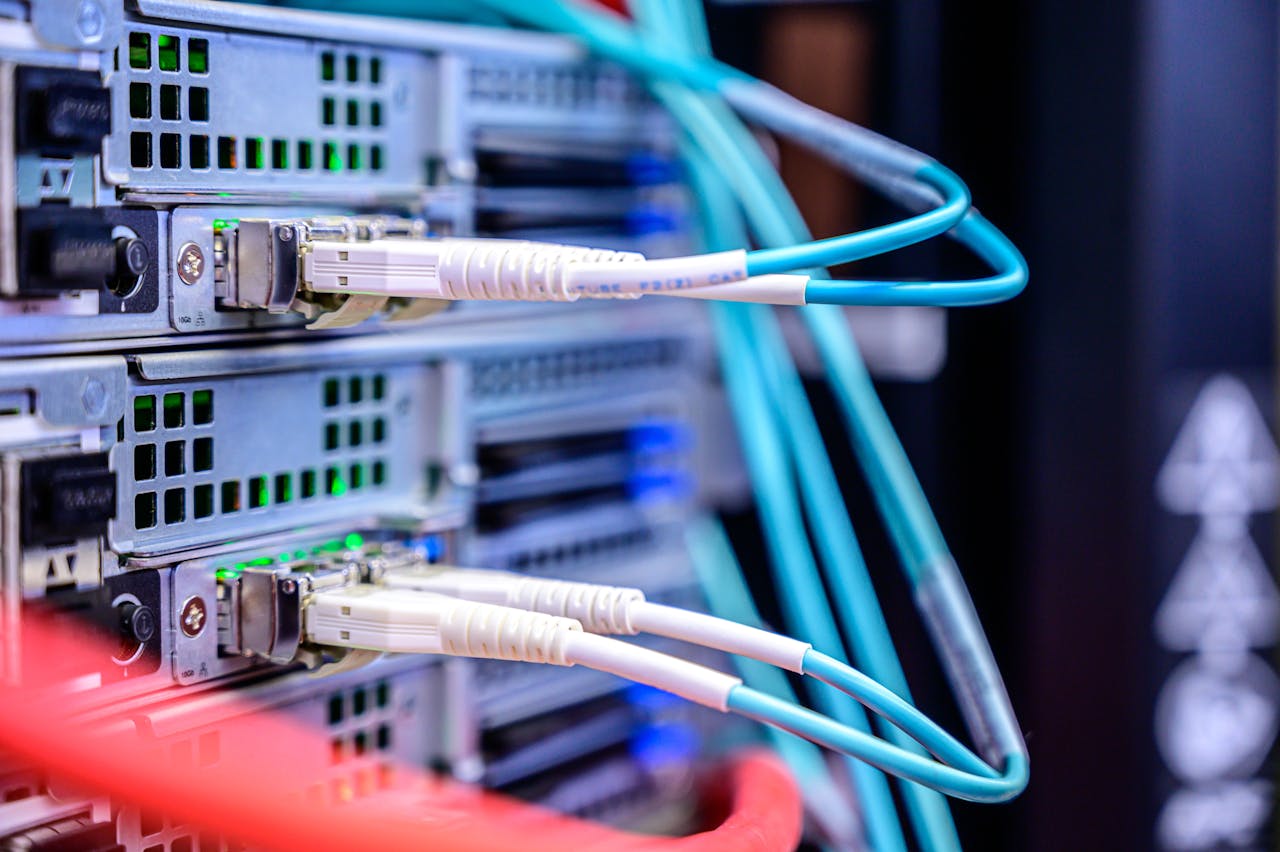
- Networking Equipment: Switches, routers, and firewalls provide for high-speed connectivity among servers, storage, and the internet.
- Storage Systems: Hard drives, SSDs, and distributed storage clusters manage massive volumes of data.
- Power Infrastructure: UPS, backup generators, and power distribution units for uninterrupted functioning.
- Cooling and Environmental Control: HVAC systems, chillers, liquid cooling, and airflow management prevent overheating.
- Security Systems: Physical security involving guards, cameras, and cybersecurity protocols protects critical infrastructure.
Example Analogy: Consider a data center as a modern factory where servers are the machines, networking is an assembly line, storage is the warehouse, and power and cooling are the utilities of the factory.
Types of Data Centers
- Enterprise Data Centers: These are owned and operated by corporations for their internal use.
- Colocation Data Centers: These provide rented space and infrastructure for multiple clients.
- Hyperscale Data Centers: Large facilities operated by the cloud providers, Amazon, Google, and Microsoft.
- Edge Data Centers: These are smaller facilities located closer to users to reduce latency and improve performance for applications such as gaming or IoT.
Each of these serves very different purposes, from internal corporate needs to global cloud-scale operations.
Data Center Architecture
Physical Layout
- Racks of servers aligned in rows, for effective cooling and maintenance.
- Hot aisle/cold aisle containment to optimize airflow and energy usage.
- Raised floor or overhead trays for cabling and airflow management.
Networking Design
- Redundant, high-speed fibre connectivity designed to manage massive volumes of data.
- Network topology is designed to have low latency, high availability, and fault tolerance.
- Load balancers efficiently distribute traffic across servers.
Redundancy and Reliability
- N+1 or 2N redundancy provides non-stop operation in the event of hardware failure.
- Backup generators and UPS prevent downtime during power outages.
- Fault-tolerant storage and clustered servers prevent data loss.
The Role of Servers and Storage
Servers
- Act as the processing units of the digital factory.
- Multi-core processors and GPUs support a wide range of applications: virtualization, AI training, web hosting, and transaction processing.
- High-density servers maximize performance per square foot.
Storage
- Traditional HDDs for bulk storage, SSDs for high-speed access.
- Distributed storage systems, such as object storage, provide scalability and redundancy.
- Storage architecture strikes a balance between capacity, speed, cost, and reliability.
Case Study: A hyperscale cloud provider runs tens of thousands of servers with petabytes of storage to power global applications, such as AI models and video streaming services.
Power and Cooling: The Hidden Factory Floor
Power Management
- Data centers use a tremendous amount of energy, sometimes as much as small cities.
- UPS systems provide instantaneous backup power; diesel generators assure long-term resilience.
- Smart energy distribution minimizes consumption and reduces the expense.
Cooling Systems
- Air cooling, liquid cooling, and immersion cooling prevent high-density servers from overheating.
- It separates the hot aisle/cold aisle, thereby improving airflow efficiency.
- Energy-efficient designs incorporate renewable energy and smart controls to lessen environmental impact.
Example: Some hyperscale facilities use evaporative cooling and outside air economizers to reduce reliance on electricity-intensive chillers.
Software and Automation in Data Centers
- DCIM software monitors power, temperature, and performance.
- Automation schedules workloads, adjusts cooling, and manages redundancy.
- AI-driven optimization can predict failures, balance server loads, and reduce energy usage.
Example: The AI-powered system predicts when hardware will fail, and rebalances workloads on healthy servers without human intervention.
Security Considerations
Physical Security
- Restricted access, biometric authentication, surveillance cameras, and on-site guards.
Cybersecurity
- Firewalls, intrusion detection, DDoS protection, and regular vulnerability assessments.
- Data encryption, both at rest and in transit, ensures confidentiality.
Compliance and Standards
- Industry standards, such as ISO 27001, SOC 2, and GDPR, govern security, privacy, and operational practices.
Data Centers, the Factories of the Digital Era
1. Digital Production
- In that sense, just like factories produce physical goods, data centers produce digital outputs: web services, AI predictions, streaming media, and cloud storage.
- They enable real-time data processing, analytics, and delivery that drive modern economies.
2. Scalability and Flexibility
- Modular designs enable data centers to expand quickly to cater to increasing demand.
- Virtualization and containerization enable flexible resource allocation across workloads.
3. Automation and AI
- Data centers automate resource management, predictive maintenance, and energy optimization.
- AI-driven operations minimize human error and maximize efficiency.
Challenges Facing Modern Data Centers
- Energy Consumption: Heavy use of electricity results in higher overall expenses and a potential ecological impact.
- Cooling Complexity: High-density servers generate heat that must be efficiently removed.
- Security Risks: A host of ongoing concerns includes physical and cyber threats.
- Global Connectivity Needs: Users are demanding real-time, low-latency across the globe, and this can only be achieved with edge data centers.
- Hardware Life Cycle Management: Servers, storage, and networking equipment need to constantly be refreshed without downtime.
Emerging Trends
1. Edge Data Centers
- Located closer to end-users for less latency and therefore better performance for IoT, AR/VR, and real-time applications.
2. Green Data Centers
- Integration of renewable energy, advanced cooling, and energy-efficient design.
- Some facilities achieve carbon neutrality or use waste heat recovery.
3. AI and Machine Learning
- AI predicts workloads, manages cooling, detects anomalies, and optimizes energy use.
- Autonomous operations increase efficiency and reduce operational costs.
4. Hyper-Converged Infrastructure
- Combines storage, networking, and computing into integrated systems to enable easier scaling and management.
Case Study: Hyperscale Cloud Providers
Amazon, Google, and Microsoft are among those companies operating gigantic hyperscale data centers:
- Tens of thousands of servers per facility
- Petabytes of distributed storage
- Multi-layered security protocols
- Advanced AI-driven management
- Globally connected network for prompt service delivery.
These data centers power cloud computing, AI, gaming, video streaming, and enterprise applications around the world, essentially making them digital factories that produce data at scale.
The Impact on Society
- Economic Growth: It will allow startups, cloud businesses, and worldwide digital markets.
- Innovation: Supports AI research, big data analytics, and high-speed applications.
- Global Connectivity: Makes real-time communication, streaming, and cloud services possible.
- Environmental consideration: This drives the push for renewable energy and efficient infrastructure.
The Invisible Industrial Backbone
Data centers are the factories of the digital age, substituting physical production lines with digital production ecosystems. They merge hardware, software, networking, AI, and environmental engineering to enable modern life. Every digital interaction-from streaming video to running AI models-is manufactured within these highly engineered facilities.
Understanding data centers is critical for appreciating the scale, complexity, and innovation that underpin the digital economy. Data centers will continue to evolve, scale, and optimize to meet growing digital demands, remaining the central factories of the modern information age.